
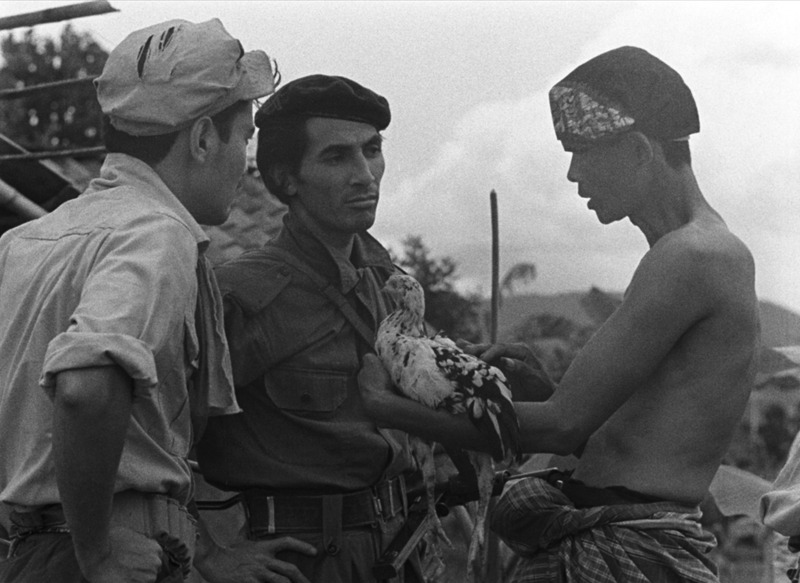
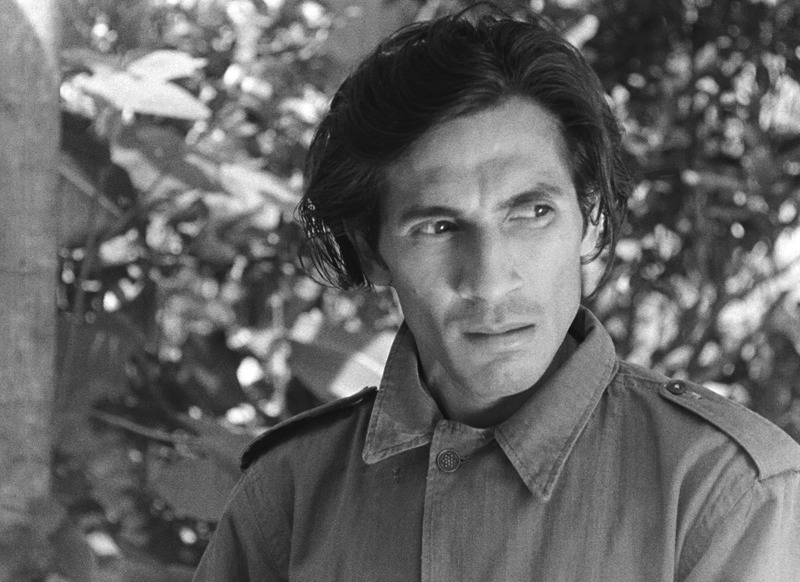
Directed by Usmar Ismail, widely revered as one of the founding fathers of Indonesian cinema, After the Curfew is set during a unique and volatile chapter in the nation’s history. The film follows an idealistic wartime veteran who finds it painfully difficult to reintegrate into a rapidly shifting society in the immediate aftermath of the War of Independence. Confronting the deep-seated conflicts of a transitional era head-on, Ismail created what is now considered a towering artistic milestone.
The film offers a poignant, passionate exploration of the psychological and political complexities surrounding the early days of post-colonial Indonesia. It also stands as an invaluable historical capsule for the country’s rich musical heritage; through its expressive auditory presentation, the film candidly conjures the sharp, beautiful, nostalgic, and at times traumatic collective emotions of its era.
As an all-time classic of world cinema, After the Curfew holds the proud distinction of being the first Indonesian film to be internationally restored, after which it was screened at the Cannes Film Festival in 2012. Do not miss this rare opportunity to witness a monumental masterpiece of Asian cinema history.
Restored in 2012 by the National Museum of Singapore and Cineteca di Bologna/L’Immagine Ritrovata laboratory, in association with The Film Foundation’s World Cinema Project, Konfiden Foundation, Kineforum of the Jakarta Arts Council, and the family of Usmar Ismail Estate. Restoration funded by Doha Film Institute.